
Nuestro Blog
Bienvenido a mi Blog.
En esta sección encontrarás artículos sobre quesos artesanales, técnicas novedosas, secretos para hacer la mejor mozzarella, entre otros temas de interés; todos escritos por mí, soportados por supuesto, con base científica.
Te invito a leerlos y a aprender. Estos artículos te ayudarán muchísimo a desarrollar la base que te hará falta para que puedas ser todo un crack haciendo quesos y, por supuesto, después de leerlos, agradecería me dejaras tus comentarios.
Siempre quiero mejorar y con tu opinión podemos hacerlo. Disfruta de mi blog y bienvenido a mi mundo.

#50 Mastering the Craft: The Top 5 Cheesemaking Topics Every Aspiring Artisan Should Know
Whether you're a curious hobbyist or a future Cheese master like me, understanding the pillars of cheesemaking is essential to crafting exceptional cheese. From the first drop of milk to the final rind, this guide explores the five most important topics in cheesemaking—each one a stepping stone toward mastery.
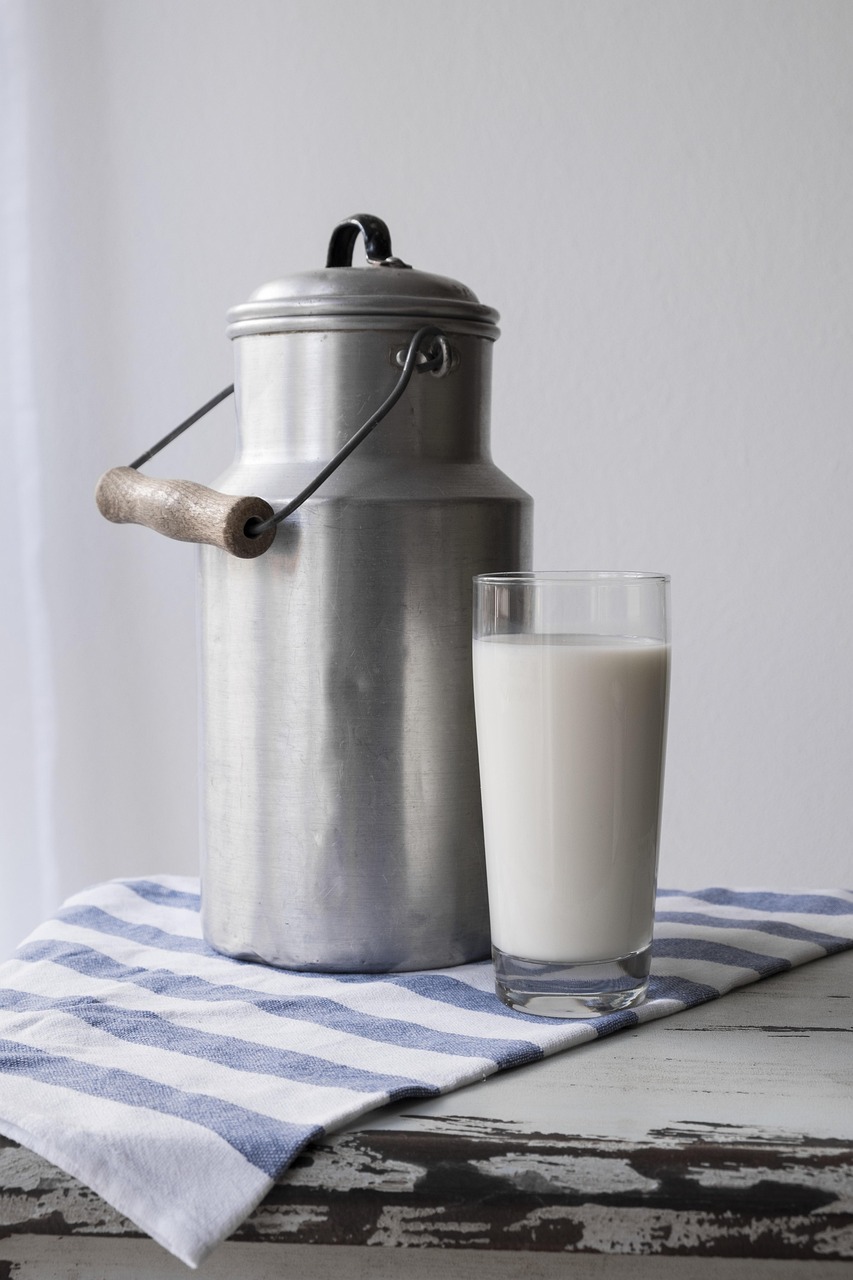
1. Where Every Cheese Begins
Cheesemaking starts with four essential ingredients: milk, starter cultures, rennet, and salt. These components interact through a series of biological and chemical transformations:
·Acidification: Starter cultures convert lactose into lactic acid, lowering pH.
·Coagulation: Rennet enzymes cause milk proteins to form curds.
·Cutting & Draining: Curds are sliced to release whey, then drained.
·Salting: Salt is added to enhance flavor and preserve the cheese.
Basic equipment includes a large pot, thermometer, cheesecloth, and optionally, molds or presses. Milk type—cow, goat, or sheep—affects flavor, fat content, and texture. Cow’s milk is versatile, goat’s milk adds tang, and sheep’s milk yields rich, creamy cheeses.

2. Specialized Techniques: Elevating Your Craft
Once the basics are mastered, advanced techniques unlock new textures and flavors:
·Aging (Affinage): Controlled environments develop rinds and deepen flavor.
·Salting Methods: Dry salting, brining, or curd mixing each affect moisture and taste.
·Curd Manipulation: Techniques like cheddaring or washing curds refine texture.
·Specialty Cheeses: Layered, washed-rind, or granular cheeses require precision and creativity.
These methods demand attention to detail and a deeper understanding of microbial and enzymatic behavior.

3. Tradition & Market Trends = Innovation
Modern cheesemakers must balance tradition with innovation:
·Sustainability: Local sourcing, waste reduction, and eco-friendly packaging.
·Plant-Based Alternatives: Fermented nut or legume-based cheeses mimic dairy textures.
·Functional Cheeses: High-protein, low-fat, or fortified options meet health trends.
·Global Flavor Fusion: Spices, herbs, and cultural ingredients create unique profiles.
Artisanal producers thrive by aligning with consumer values and culinary curiosity.
4. Best Cheeses for Beginners
Start with cheeses that require minimal equipment and aging:
·Fresh Cheeses: Ricotta, paneer, queso blanco—ready in hours.
·Cultured Fresh Cheeses: Chèvre, fromage blanc, cream cheese—mild aging, big flavor.
·Soft Cheeses: Feta offers a gateway to brining and texture control.
·Simple Mozzarella: Stretching curds is tactile and rewarding for learners.
These recipes build confidence and foundational skills.
5. The Science Behind Cheesemaking
Understanding the science empowers troubleshooting and innovation:
·Microbiology: Starter cultures and molds shape flavor and safety.
·Biochemistry: Rennet and enzymes trigger protein coagulation.
·pH Control: Acidity affects texture, microbial growth, and shelf life.
·Moisture Management: Cutting, cooking, and stirring curds determine final hardness.
Scientific literacy transforms cheesemaking from craft to mastery.
Ready to turn milk into magic? Whether you're launching a brand like Doctor Quesero or simply exploring the joy of curds and whey, these five topics will guide your journey from novice to artisan. Let the transformation begin.
Until next Article

LOCATION
#50 Mastering the Craft: The Top 5 Cheesemaking Topics Every Aspiring Artisan Should Know
Whether you're a curious hobbyist or a future Cheese master like me, understanding the pillars of cheesemaking is essential to crafting exceptional cheese. From the first drop of milk to the final rind, this guide explores the five most important topics in cheesemaking—each one a stepping stone toward mastery.
1. Where Every Cheese Begins
Cheesemaking starts with four essential ingredients: milk, starter cultures, rennet, and salt. These components interact through a series of biological and chemical transformations:
·Acidification: Starter cultures convert lactose into lactic acid, lowering pH.
·Coagulation: Rennet enzymes cause milk proteins to form curds.
·Cutting & Draining: Curds are sliced to release whey, then drained.
·Salting: Salt is added to enhance flavor and preserve the cheese.
Basic equipment includes a large pot, thermometer, cheesecloth, and optionally, molds or presses. Milk type—cow, goat, or sheep—affects flavor, fat content, and texture. Cow’s milk is versatile, goat’s milk adds tang, and sheep’s milk yields rich, creamy cheeses.
2. Specialized Techniques: Elevating Your Craft
Once the basics are mastered, advanced techniques unlock new textures and flavors:
·Aging (Affinage): Controlled environments develop rinds and deepen flavor.
·Salting Methods: Dry salting, brining, or curd mixing each affect moisture and taste.
·Curd Manipulation: Techniques like cheddaring or washing curds refine texture.
·Specialty Cheeses: Layered, washed-rind, or granular cheeses require precision and creativity.
These methods demand attention to detail and a deeper understanding of microbial and enzymatic behavior.
3. Tradition & Market Trends = Innovation
Modern cheesemakers must balance tradition with innovation:
·Sustainability: Local sourcing, waste reduction, and eco-friendly packaging.
·Plant-Based Alternatives: Fermented nut or legume-based cheeses mimic dairy textures.
·Functional Cheeses: High-protein, low-fat, or fortified options meet health trends.
·Global Flavor Fusion: Spices, herbs, and cultural ingredients create unique profiles.
Artisanal producers thrive by aligning with consumer values and culinary curiosity.
4. Best Cheeses for Beginners
Start with cheeses that require minimal equipment and aging:
·Fresh Cheeses: Ricotta, paneer, queso blanco—ready in hours.
·Cultured Fresh Cheeses: Chèvre, fromage blanc, cream cheese—mild aging, big flavor.
·Soft Cheeses: Feta offers a gateway to brining and texture control.
·Simple Mozzarella: Stretching curds is tactile and rewarding for learners.
These recipes build confidence and foundational skills.
5. The Science Behind Cheesemaking
Understanding the science empowers troubleshooting and innovation:
·Microbiology: Starter cultures and molds shape flavor and safety.
·Biochemistry: Rennet and enzymes trigger protein coagulation.
·pH Control: Acidity affects texture, microbial growth, and shelf life.
·Moisture Management: Cutting, cooking, and stirring curds determine final hardness.
Scientific literacy transforms cheesemaking from craft to mastery.
Ready to turn milk into magic? Whether you're launching a brand like Doctor Quesero or simply exploring the joy of curds and whey, these five topics will guide your journey from novice to artisan. Let the transformation begin.
Until next Article